Top Reasons to Join Basketball Club Teams San Diego This Year
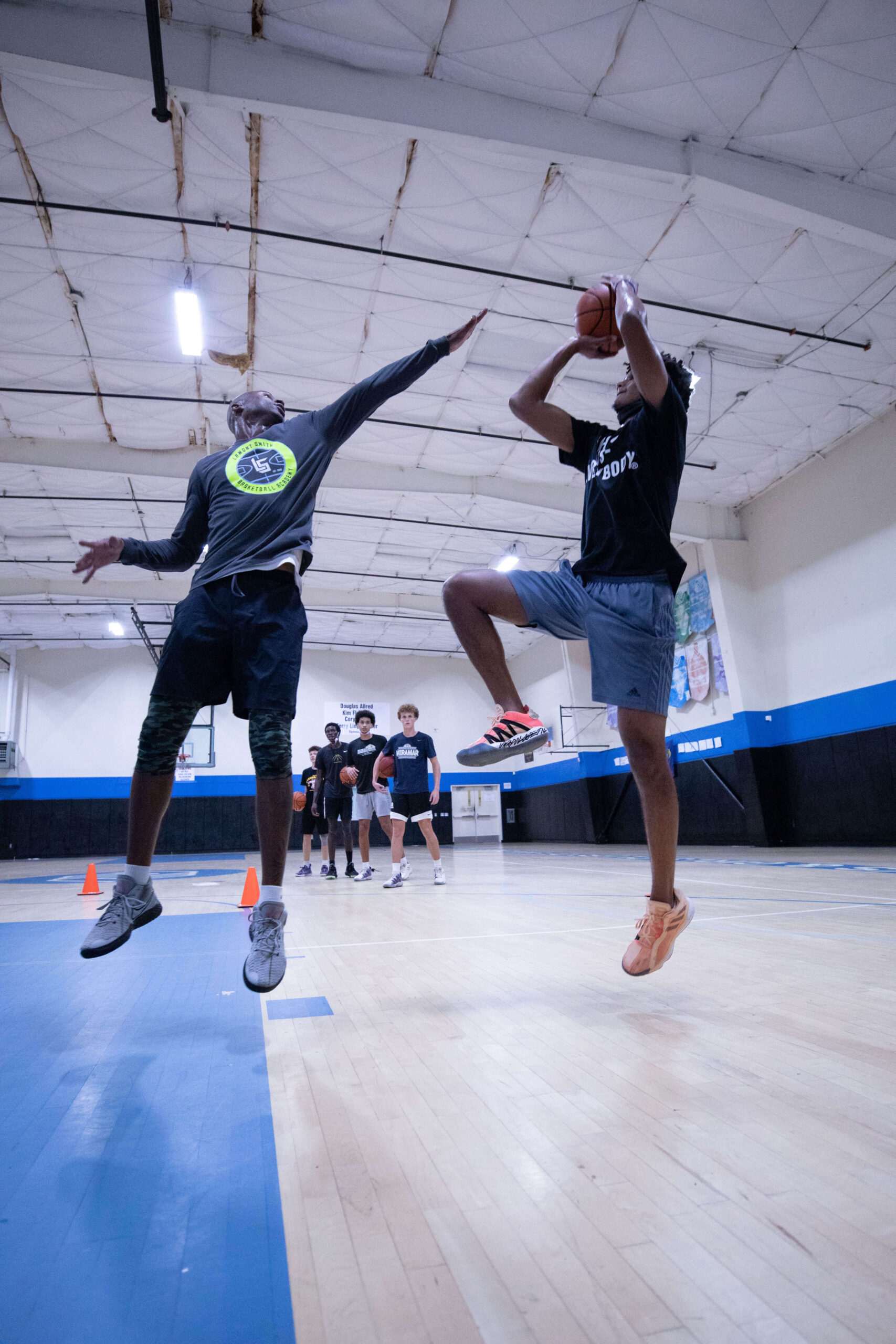
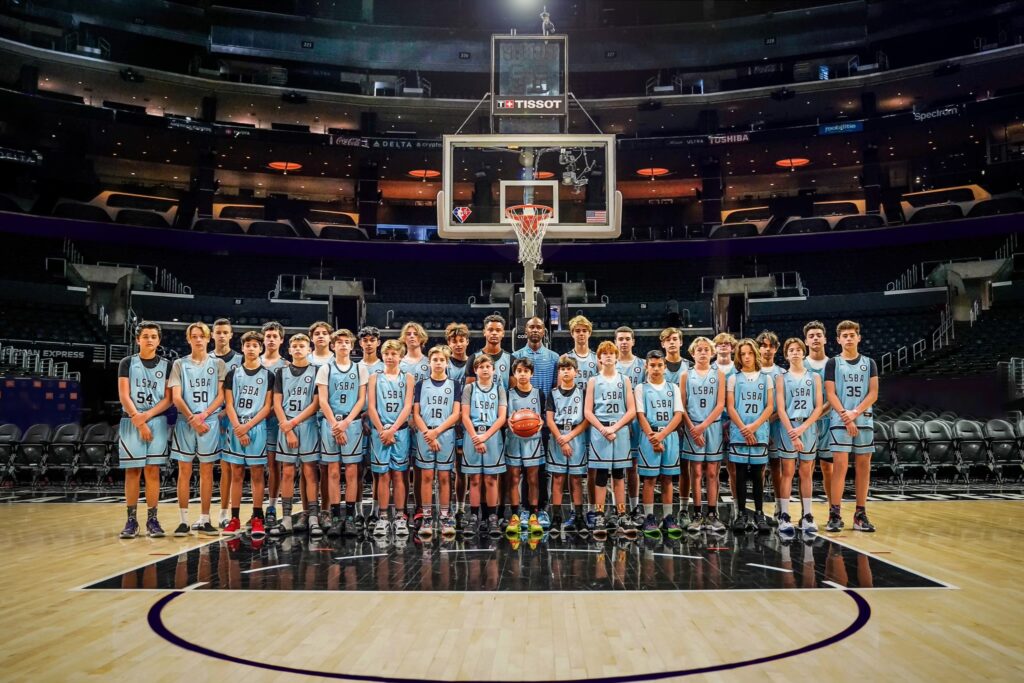
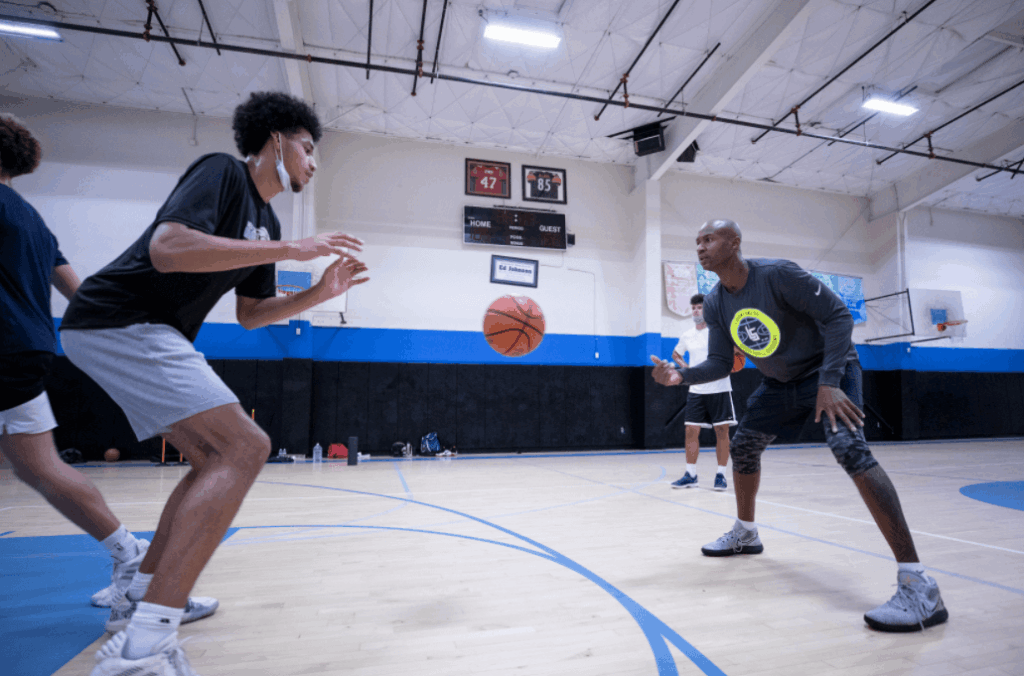
San Diego has always had a strong basketball culture, but the club scene feels especially important right now. Families are looking for structured development, athletes want higher-level competition, and school programs alone often cannot meet every player’s needs. For many young athletes, joining one of the Basketball Club Teams San Diego offers is not just about playing more games. It is about building skill, confidence, discipline, and a clearer path forward.
That distinction matters.
A recreational league can be a great entry point. School teams can provide pride, tradition, and a chance to represent classmates. Club basketball fills a different role. It gives players a more concentrated training environment, more frequent competition, and regular exposure to coaches and teammates who take improvement seriously. When the fit is right, a club team can change the pace of a player’s growth in a single season.
I have seen this firsthand with players who plateaued in casual settings, then improved sharply once they entered a club structure. Not because the athletes suddenly became more talented, but because they were finally in a system that demanded consistency. They practiced against stronger peers, learned how to prepare between sessions, and started getting feedback that went beyond “play harder.” Good club coaching identifies why a player is struggling and gives them tools to fix it.
San Diego is a uniquely strong place to develop as a player
Not every city gives young athletes the same basketball environment. San Diego has advantages that are easy to overlook if you live here. The weather supports year-round training. The region has a wide mix of competition levels, from beginners who need fundamentals to advanced players chasing varsity minutes, college recruiting attention, or both. Travel opportunities are manageable, and the local sports culture supports families who are willing to invest time in serious development.
There is also real diversity in playing styles and competition. A player might face fast, guard-heavy teams one weekend, then go against bigger, more physical groups the next. That variety teaches adaptability. It forces athletes to solve problems instead of relying on a single strength. A scorer learns what happens when defenders load up early. A post player figures out how to score against length. A point guard learns when pace matters more than speed.
That kind of education is hard to get from one school season alone.
Basketball Club Teams San Diego families often mention another practical benefit, access. In larger basketball markets, elite opportunities can feel crowded and impersonal. In smaller areas, the competition pool may be too shallow to push players consistently. San Diego sits in a useful middle ground. There are enough clubs, tournaments, trainers, and serious athletes to create strong developmental ecosystems, but not so much chaos that families cannot evaluate their options.
More touches, more reps, more growth
Improvement in basketball still comes down to repetition, but not all reps are equal. A lot of players spend years “playing basketball” without actually developing many new skills. They touch the ball less than they should, repeat familiar mistakes, and rarely get corrected in detail. Club basketball, at its best, solves that problem.
A well-run team puts athletes in situations where they must handle pressure, make reads, defend with purpose, and communicate. Those repetitions accumulate fast. Over a few months, a player might experience more meaningful possessions than they would in an entire casual league season.
Consider a middle school guard who is quick and competitive but struggles to make decisions under defensive pressure. In a low-level setting, that player can survive by dribbling hard and outrunning people. In a stronger club setting, those habits get exposed quickly. Traps come earlier. Defenders recover faster. Coaches expect the ball to move on time. At first, performance may dip. Then the growth starts. The guard begins to recognize help defense, use a retreat dribble, hit the weak-side wing, and understand that control beats chaos.
That is how players actually develop.
It is also why the best club experiences sometimes feel uncomfortable at first. Growth is rarely smooth. A player may score less for a stretch because the competition is better. Minutes may need to be earned. A coach may ask an athlete to defend a tougher assignment or play a less glamorous role. Those moments are not setbacks if the environment is healthy. They are usually signs that the player has entered a space where real development can happen.
The coaching is often more targeted than what players get elsewhere
School coaches carry a heavy load. They manage rosters, academics, administration, parent communication, scheduling, and the pressure of short seasons. Even excellent school coaches do not always have time to individualize development for every player. Club programs often can.
That does not mean every club coach is better. Some are outstanding teachers. Some are simply organizers. Families need to be honest about that. But when you find a strong club program, one of the biggest benefits is the specificity of the instruction.
Specific coaching sounds like this: your stance is too narrow when defending the drive, your pass is late because your eyes are dropping, your release point changes when you rush, your closeout is arriving too upright, your first step out of the triple threat is wasted because your footwork is off. Those details matter. Over time, they separate players who look busy from players who are truly effective.
I have watched athletes make dramatic jumps not because they worked more hours, but because they finally understood what to work on. One wing player spent months trying to “be more aggressive.” That phrase did nothing for him. Once a club coach narrowed the issue down, catch on balance, attack the top foot, finish through the second defender, his game changed quickly. Better instruction creates better repetition.
Serious teammates raise the standard
A player’s environment shapes a lot of what people call potential. Put a motivated athlete around casual teammates and the pace often drops. Put that same athlete in a gym with players fighting for rotations, diving for loose balls, and taking drills seriously, and the standard changes.
This is one of the most underrated reasons to join club basketball.
Peers influence habits in ways coaches cannot fully control. When players see teammates arriving early to shoot, lifting after practice, studying film clips, or asking smart questions, those behaviors become normal. The athlete who once thought extra work was unusual starts to see it as part of the job.
That shift can be especially valuable for younger players. Middle school is often when talent gaps begin to widen, not because some kids stop caring, but because structure becomes more important. The players who learn routines early usually handle high school basketball better. They know how to prepare for a game weekend. They understand recovery. They have already learned that effort alone is not enough.
Of course, this cuts both ways. A poor club fit can frustrate a player or undermine confidence. That is why families should pay attention not only to a team’s talent level, but also to its culture. A roster full of strong players means very little if the gym is disorganized, roles are unclear, or accountability only applies to certain athletes.
Competition that reveals the truth
Parents often ask when they will know if a player is “good enough” to pursue bigger goals. The honest answer is that stronger competition usually brings clarity faster than praise does. Club basketball is useful because it shows players where they truly stand.
That is not meant harshly. It is helpful.
When athletes compete against capable opponents every weekend, illusions disappear. Maybe a player who dominates locally learns they need a tighter handle against length. Maybe a big who controls the paint in school games realizes they must run the floor harder and defend in space. Maybe a role player finds out their shooting translates better than expected and earns a bigger offensive role.
This kind of truth accelerates decision-making. Families can stop guessing and start planning. A player who wants varsity minutes can identify what needs work before tryouts. An athlete with college aspirations can start matching current ability to realistic pathways, whether that means aiming high immediately or focusing first on becoming a stronger high school contributor.
There is emotional value here too. Players build resilience when they stop fearing exposure. Good club competition teaches athletes that struggling is not failure. It is information. Some of the best long-term players are not the ones who looked elite at 12. They are the ones who learned early how to respond when their first option got taken away.
Better preparation for school basketball
One common misconception is that club basketball and school basketball compete with each other. In healthy cases, they should complement each other.
A strong club season gives players tools they can bring back to their school programs. They return sharper, more conditioned, and more comfortable with game speed. They have likely guarded stronger opponents, dealt with more pressure, and played in tighter spaces. Those experiences show up when school tryouts and regular-season games begin.
Coaches notice this quickly. Players with club backgrounds often understand spacing better, make simpler reads, and recover from mistakes faster. They have seen more game situations. They are less likely to panic when the tempo rises.
That said, not every player needs the same club commitment. Some athletes benefit from a highly competitive national schedule. Others need a balanced local team that prioritizes skill development and confidence. The right choice depends on age, goals, budget, and temperament. A freshman who needs strength and decision-making might thrive in a developmental club with strong teaching. A junior chasing college looks may need a more demanding exposure-based environment.
Judgment matters more than hype.
The discipline carries beyond the court
Families usually join for basketball reasons, but they often stay because the benefits spill into other parts of life. Club athletes learn time management quickly. Schoolwork, practices, travel, recovery, and family life all need attention. Players who handle that balance well often become more organized overall.
There is also a maturity that comes from being held accountable by coaches who expect follow-through. Showing up late, drifting through drills, or blaming teammates gets challenged. Over time, players learn to communicate better, take correction without folding, and separate emotion from response. Those are life skills, even if they develop in a gym.
I have seen shy athletes become far more assertive simply because club basketball required them to speak, call out coverages, ask questions, and recover after mistakes in public. I have also seen naturally talented players become more humble once they realize effort and preparation affect everything. Sports do not automatically build character, but a demanding, well-led environment can expose and shape it.
Exposure matters, but not in the way many families think
The word exposure gets used loosely in youth basketball. Some hear it and think scholarship offers are just around the corner. That is not how this works for most players.
Real exposure starts with development. If a player cannot consistently help a team, extra eyes in the gym will not change much. What good club basketball does provide is context. It places athletes in games where knowledgeable coaches, trainers, and sometimes high school or college evaluators can see them compete against meaningful opposition. It also gives players reference points. They learn what higher-level athletes look like, how they move, and what separates them.
For younger players, the biggest exposure benefit may simply be learning the landscape. Families begin to understand where their child fits, what timelines are realistic, and which improvement areas matter most. That alone can save a lot of money and frustration later.
For older players, especially those entering the key high school years, playing with reputable Basketball Club Teams San Diego can create opportunities to be seen in the right settings. But it still comes back to substance over branding. A flashy uniform and a busy tournament calendar mean very little if the player is not improving.
Why this year makes sense
There is a practical reason not to wait too long. Development windows move faster than families expect. One year in youth basketball can make a huge difference, especially between ages 11 and 16. Skill gains compound. Confidence grows or stalls. Athletic gaps widen. Players who spend a year in a quality club program often enter the next school season looking like a different version of themselves.
This year also makes sense because so many athletes are trying to catch up. Some lost valuable reps in earlier seasons due to interruptions, inconsistent training, or limited game opportunities. Others have relied too heavily on private workouts without enough live competition. Club basketball can reconnect those pieces. Training matters, but the game remains the best teacher when players are in the right environment.
If a player is serious, even quietly serious, this is usually the stage to test that commitment. Not with speeches, with routine. Are they willing to practice consistently, accept coaching, compete for minutes, and stay patient through uneven stretches? Club basketball answers those questions better than almost anything else.
What to look for before committing
Families often focus on the wrong signals at first. They notice branding, social media presence, tournament names, or how dominant a team looks in warmups. Those details are secondary. The real indicators of a good fit usually show up in how the program teaches, communicates, and manages development.
A few things are worth paying close attention to:
- Practice quality matters more than game count. Watch whether drills teach decision-making, spacing, and defensive habits, not just effort.
- Role clarity matters. Players do not need guaranteed minutes, but they should understand what coaches expect and how minutes are earned.
- Team level should match the athlete. A slightly challenging fit is healthy. A completely overwhelming one can stunt confidence and touches.
- Communication with families should be direct and realistic. Vague promises are a warning sign.
- Player improvement over time is the clearest proof. Ask whether athletes actually develop, not just whether teams win.
That last point is especially important. Winning in youth basketball can hide weak teaching. A team may pile up victories because one early-maturing player dominates the ball. Then two years later, nobody has expanded their game. A better program might lose more in the short term while producing stronger long-term players.
The cost question deserves honesty
Club basketball is not cheap. Fees, travel, gear, and extra training can add up fast. Any serious conversation about joining a team should acknowledge that reality. Families need to weigh the investment carefully and avoid stretching themselves for a poor fit.
At the same time, value is not the same as price. An expensive team that offers weak practices and minimal development can be a bad deal. A moderately priced club with excellent coaching, local competition, and clear communication can be a strong investment. Sometimes the smartest path is not the most prestigious-sounding one. It is the one that gets the athlete more usable reps, better teaching, and a manageable family schedule.
There are trade-offs here. A heavy travel schedule might create stronger exposure opportunities, but it can also lead to fatigue, missed family time, and burnout if the player is not ready. A local developmental team may not carry the same name recognition, but it can provide more touches and a more stable learning environment. The best choice depends on the athlete in front of you, not someone else’s highlight reel.
Confidence built the right way lasts longer
There is a big difference between confidence built on easy success and confidence built on earned competence. Club basketball, when it is structured well, gives players the second kind.
A player who has fought through tougher defenders, adjusted to stronger pace, and improved visible weaknesses starts to trust their game for real. They are less shaken by a bad quarter because they know what preparation feels like. They are less dependent on outside praise because they have evidence of growth.
That kind of confidence travels. It helps in school tryouts, pressure possessions, and even off-court situations where composure matters. Athletes who have learned how to recover after mistakes in front of teammates and coaches often handle ordinary stress better too.
For many players, that is the lasting payoff. Not just more basketball, but better basketball. Not just more games, but games that reveal who they are https://jsbin.com/basisukezi and what they can become.
Joining one of the Basketball Club Teams San Diego families have access to this year can be the move that sharpens a player’s skill, widens their perspective, and raises their standard. The right team will not promise magic. It will offer work, structure, pressure, correction, and opportunity. For the athlete ready to grow, that is exactly what makes it worth it.
Lamont Smith Basketball Academy
888 Clairemont Mesa Blvd Suite T-2, San Diego, CA 92123
(619) 639-8778
FAQ About Basketball Club Teams San Diego
How can a player join an LSBA club team?
Players are evaluated during practices so the coaching staff can recommend an appropriate team and development level. Families should contact the academy to confirm current openings and evaluation details.
Are club teams available for newer basketball players?
Yes. LSBA describes multiple levels, including a developmental option for newer players as well as more competitive teams for athletes with prior club experience.
What do LSBA club team practices emphasize?
Practices emphasize basketball fundamentals, team defense, structure, communication, and player development. The specific focus may vary according to the team and experience level.
Do all LSBA teams travel?
Travel expectations vary by level. Some teams focus on local competition, while advanced teams may participate in tournaments elsewhere in Southern California or beyond. Families should confirm the current schedule before enrolling.